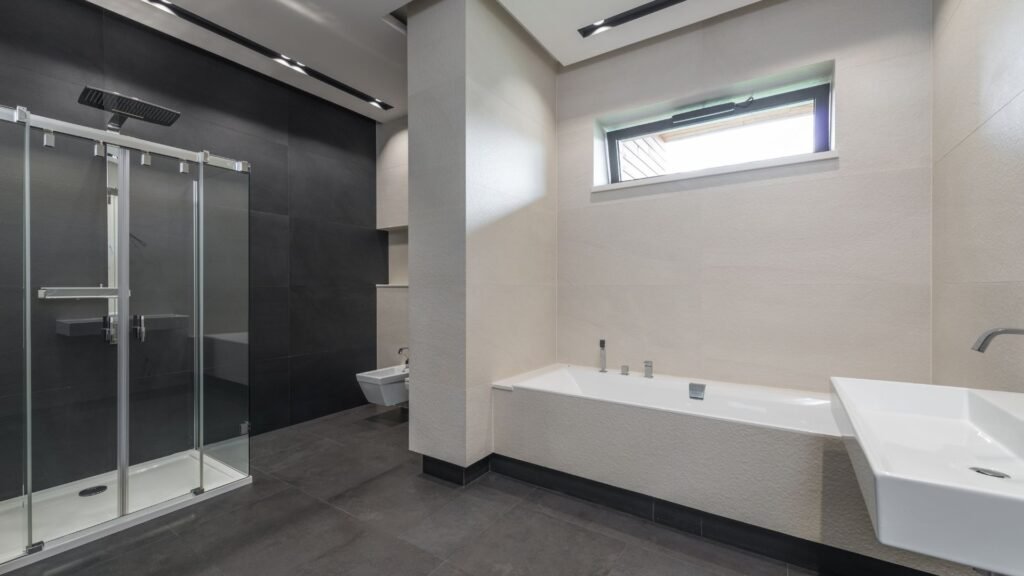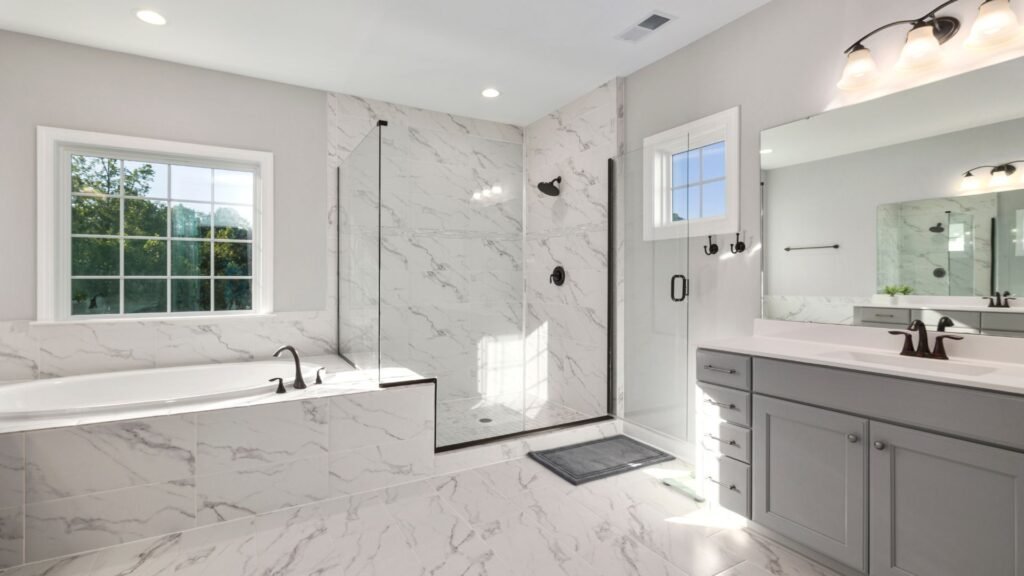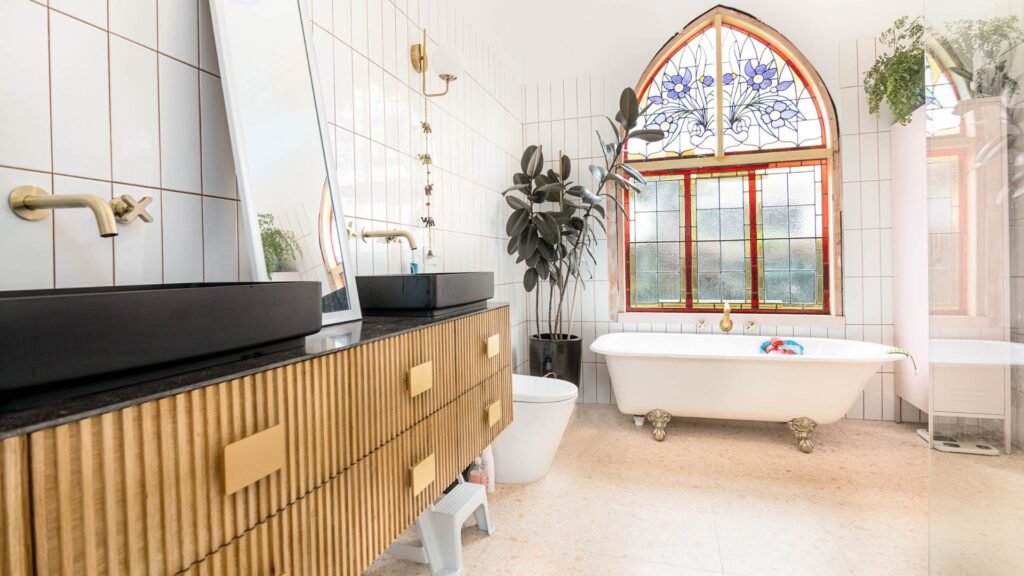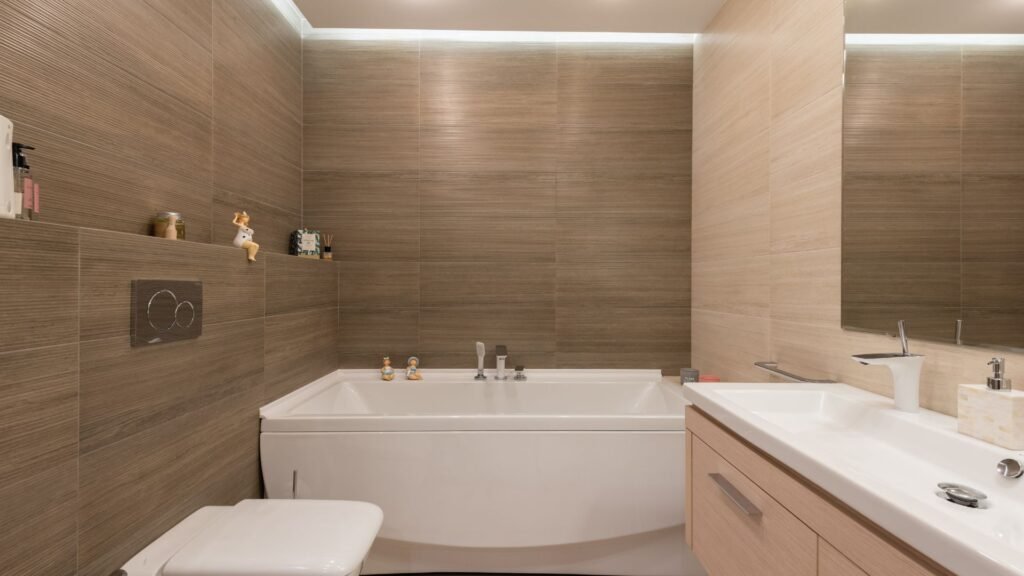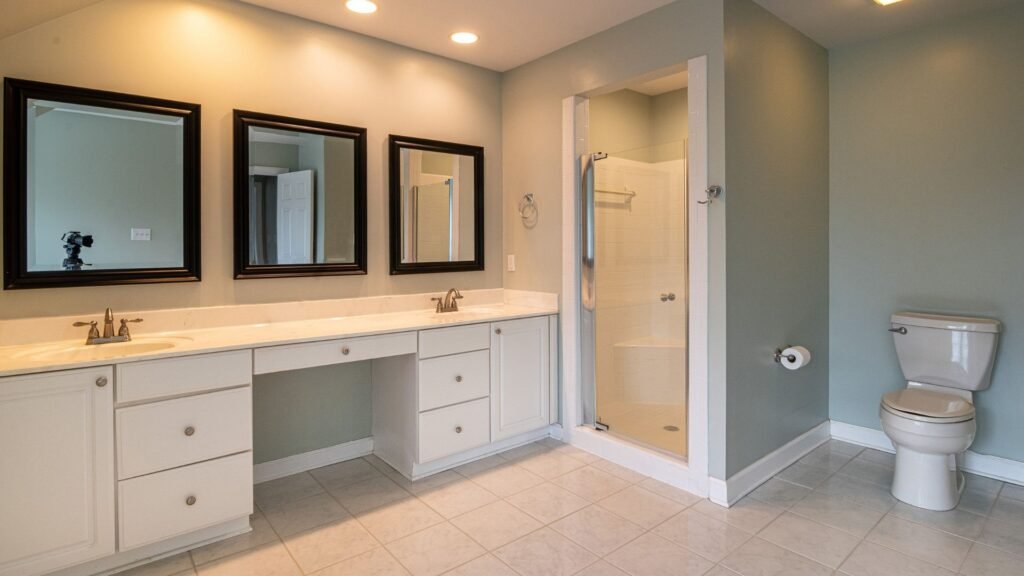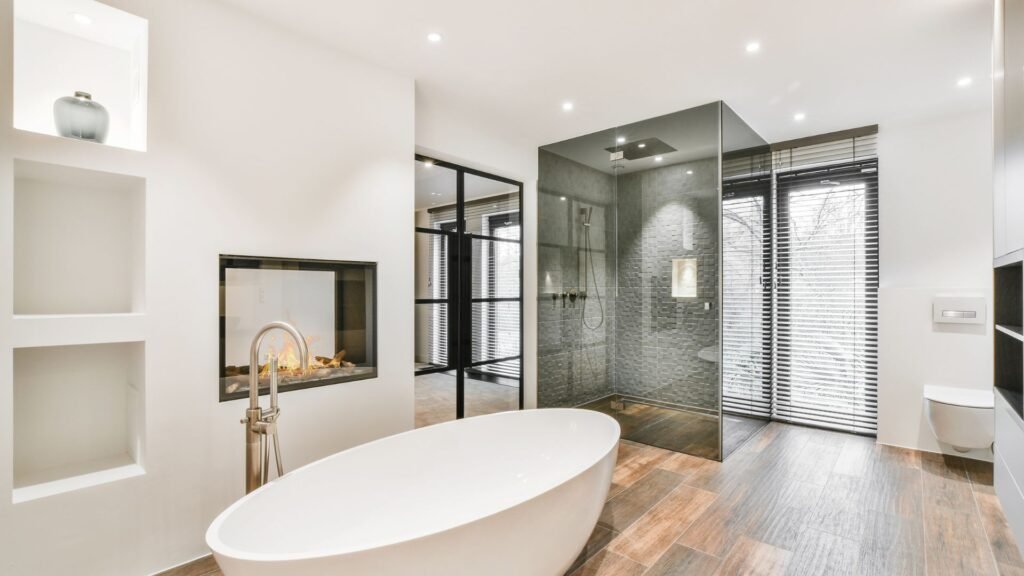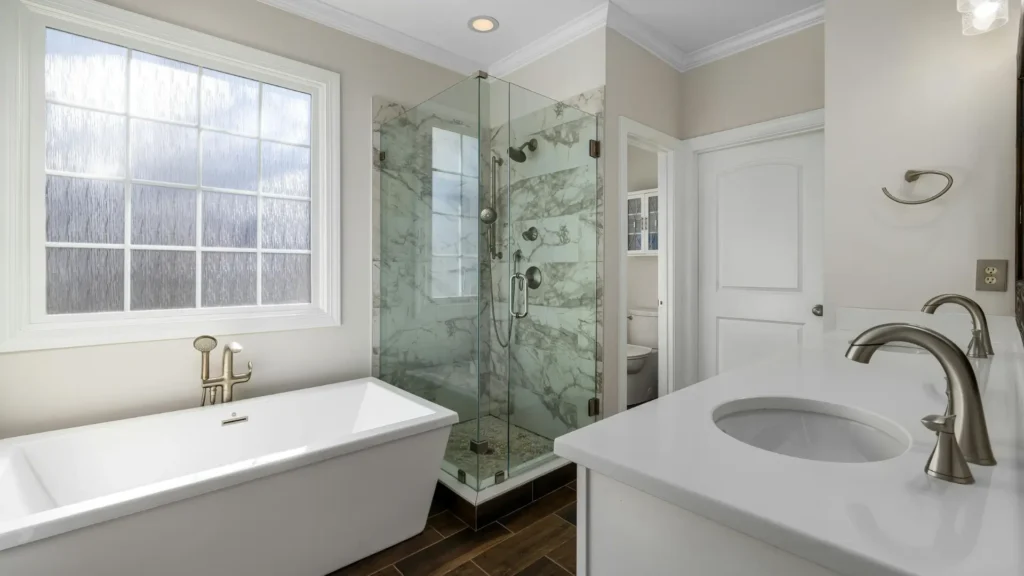
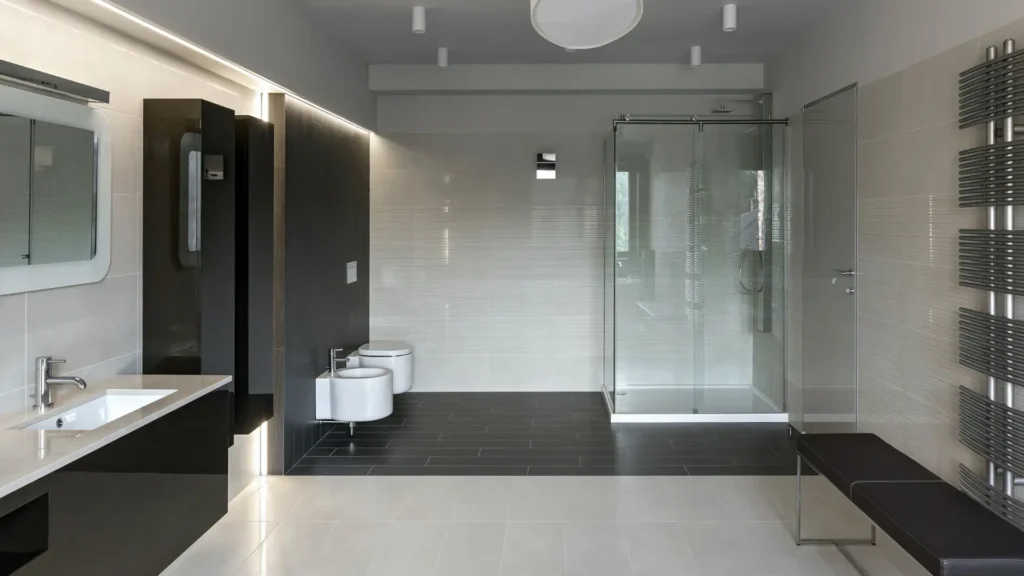
Welcome to your complete guide on the cost of bathroom renovations in Cambridge, designed to give you clear pricing expectations, help you plan your budget, and understand what drives renovation costs in the local market so you can move forward with confidence whether you’re refreshing a small space or transforming an old bathroom into something modern and practical, and by the end of this guide you’ll know what homeowners in Cambridge typically spend, where most of the money goes, and how to make smart choices that keep your project on track without overspending.
Bathroom renovations in Cambridge, NZ typically cost between NZ$8,000 and NZ$30,000, depending on the size of the bathroom, the scope of work, and the materials you choose. Minor updates may start around NZ$3,000–NZ$5,000, while full remodels or premium upgrades can exceed NZ$30,000.
Table of Contents
Why Costs Vary: Key Factors That Influence Bathroom Renovation Prices
Every bathroom renovation comes with its own set of variables, which is why prices can look very different from one home to another. When you understand what affects the total cost, you can make clearer decisions, stay within budget, and avoid surprises as the project moves forward.
Scope And Extent Of Renovation
The overall scope of the work has the biggest impact on cost. A small update that focuses on replacing a few fixtures will naturally cost less than a full remodel. The more elements you change, the more trades you need on site, and the higher the final price tends to be. This is also where planning becomes important because a well-defined scope can prevent the project from growing beyond your budget.
Cosmetic Refresh Vs Full Gut And Redo
A cosmetic refresh usually covers simple improvements like repainting, changing tapware, swapping out a vanity, or regrouting tiles. These upgrades are lighter on the budget and often completed quickly. A gut-and-redo renovation involves removing everything down to the wall framing or flooring. This approach gives you a brand-new space but adds costs for demolition, waterproofing, plumbing, electrical work, and full material replacement. Homeowners often choose this route when the existing bathroom layout no longer works or when the space is outdated.
Size Of The Bathroom
Larger bathrooms cost more to renovate simply because they need more materials and more labour hours. Even small changes add up when the floor area increases. Smaller bathrooms can be more affordable, although tight spaces sometimes require extra precision work from contractors. When you compare quotes, the overall size helps explain why two projects with similar goals can have very different price ranges.
Quality And Type Of Materials
Material choices influence cost in a noticeable way. Premium tiles, custom cabinetry, stone benchtops, and high-end fittings add to the total budget. Standard materials offer solid durability at a lower price and often keep projects within a comfortable range. The challenge is deciding what deserves a higher investment and where you can choose budget-friendly alternatives without sacrificing function or style.
Labour And Contractor Rates In Cambridge And The Waikato Region
Local labour rates play a major role in renovation pricing. Contractors in Cambridge and across the wider Waikato region follow market rates that reflect demand, experience, and the availability of skilled trades. A reliable contractor may cost more upfront but can deliver better workmanship, which often saves money long term. Comparing multiple quotes helps you understand what is fair for the area.
Plumbing Or Structural Changes
Any change that involves moving plumbing lines, replacing pipes, or adjusting the bathroom layout increases costs. Structural work, such as shifting walls or altering the floor structure, adds another layer of expense because it requires additional planning and specialist skills. Keeping fixtures in their original locations is one of the simplest ways to maintain a predictable budget.
Hidden Surprises
Water damage, outdated wiring, and non-compliant plumbing are issues that often surface during demolition. These problems need immediate attention to ensure the bathroom remains safe and up to code. Although these repairs can raise the final cost, addressing them protects your home and prevents future damage. Building a small contingency into your budget helps reduce stress when challenges appear.
Permits Or Regulatory Requirements
Some renovations require permits, especially when plumbing or structural modifications are involved. Permit fees and inspection requirements add to the total cost, but they also protect you by ensuring the work meets local standards. Contractors familiar with Cambridge regulations can guide you through this process and help avoid delays.
A well-planned renovation starts with knowing what drives the cost. When you understand these factors, you can prioritise what matters most and make choices that support both your vision and your budget.
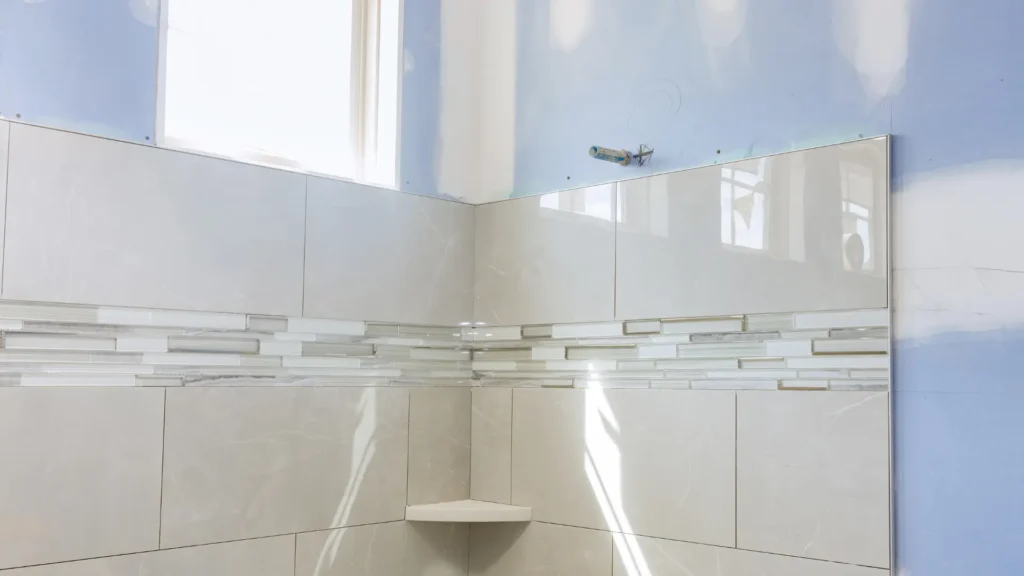
Typical Cost Ranges In Cambridge, NZ
Homeowners in Cambridge often want a clear idea of how much a bathroom renovation might cost before reaching out to a contractor. Prices vary because each project comes with different needs, materials, and levels of labour. The ranges below give you a realistic snapshot of what locals usually spend so you can understand where your project may fall.
Low-End Cosmetic Or Minor Updates
This level suits bathrooms that only need light refreshing rather than major construction. Work often includes repainting, replacing dated fixtures, re-grouting tiles, swapping tapware, or updating accessories. These small changes can lift the overall look without touching plumbing or structural elements. Homeowners typically spend around NZ$3,000 to NZ$5,000 for this type of update.
Mid-Range Bathroom Renovation
A mid-range renovation delivers a noticeable upgrade without going into high-end territory. Projects in this range may include new tiles or flooring, updated fixtures, a new vanity, fresh lighting, and moderate plumbing improvements. It suits bathrooms that need both cosmetic and functional improvements. Costs usually fall between NZ$8,000 and NZ$15,000 depending on material choices and the amount of labour required.
Full Bathroom Overhaul
A complete overhaul is common for older homes in Cambridge where the bathroom layout no longer works or the existing space has structural or plumbing issues. This level includes removing all existing fittings, updating plumbing, adding new waterproofing, installing high-end fixtures, and choosing custom tile designs. Because the work is extensive, the price typically ranges from NZ$18,000 to NZ$30,000 or more.
Luxury Or Premium Bathroom Renovations
Premium renovations are designed for homeowners who want a personalised, high-performance space with standout features. These projects often include designer fixtures, custom cabinetry, stone or imported tiles, frameless glass showers, and heated flooring. Material quality and craftsmanship play a major role in the final price, which usually sits between NZ$30,000 and NZ$45,000 or higher.
Bathroom renovation costs can shift based on the specific choices you make and the condition of your existing space, but these ranges give you a solid starting point as you plan your project.
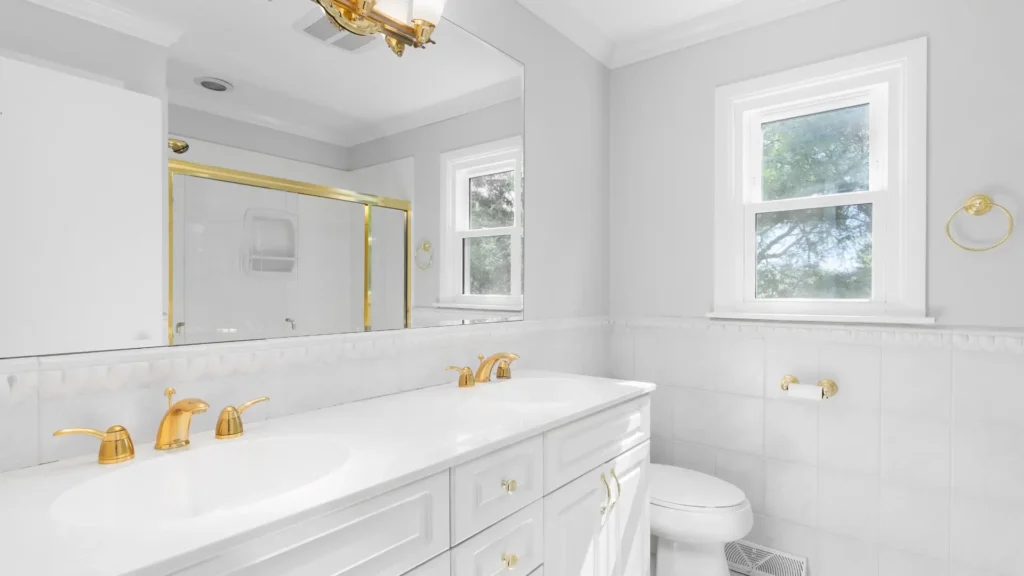
Breakdown: Where Your Money Goes
Renovating a bathroom in Cambridge NZ involves several cost areas that often add up faster than expected. Understanding where your budget is spent helps you plan with clarity, avoid surprises, and make decisions that match your goals. Each part of the project plays a role in the final price, from the materials you choose to the labour required to bring everything together.
Materials
Materials usually take a large share of the budget because they shape the look, feel, and durability of your bathroom. Tiles, flooring, and paint set the overall style. Fixtures such as taps, showerheads, and basins influence both appearance and performance. Cabinetry and glass doors also carry noticeable cost differences depending on size, quality, and design. Homeowners often see price variations here because choosing premium tiles or custom cabinetry can move the total investment upward quickly. If you want to stay within a set budget, selecting mid-range materials offers a practical balance between cost and long-term value.
Labour
Labour involves multiple trades working together. Tilers, plumbers, electricians, plasterers, and painters all play important roles. Each specialist brings different skills and hourly rates, and the complexity of your design affects how long each trade stays onsite. The more features you include, the more coordination is required. In Cambridge NZ, labour costs can make up a significant portion of the total renovation because skilled trades are essential for safe installation and compliance with building standards.
Plumbing And Structural Work
This area becomes a major cost factor when you relocate showers, toilets, or sinks. Moving plumbing requires extra time, new pipework, and often selective demolition. Structural adjustments such as shifting walls or reinforcing floors also add cost because they involve specialised assessment and construction expertise. If you keep most fixtures in their current positions, your project tends to stay within a more predictable range.
Wall And Floor Preparation
Before any visible work begins, the underlying surfaces need to be prepared properly. This includes leveling floors, repairing damaged areas, and applying waterproofing. Bathrooms are high-moisture spaces, so quality preparation protects your home from leaks, mold, and future repairs. Waterproofing is not an optional step, and its cost reflects the importance of long-term protection. Many homeowners underestimate this part of the budget even though it is essential for durability.
Demolition And Waste Disposal
Removing old fixtures, tiles, and cabinetry takes time and generates waste that must be disposed of responsibly. Contractors factor in labour, equipment, and disposal fees. If the existing bathroom has hidden issues such as dampness or rotted timber, demolition can take longer and increase the overall cost. Proper removal ensures a clean starting point for the new build.
Finishing Touches
Finishing work includes installing hardware, applying final coats of paint, sealing surfaces, and completing any detail adjustments. These steps pull the entire renovation together and give the space a polished look. Even though finishing touches may seem minor, they often take careful effort to achieve a clean, cohesive result.
A clear understanding of these cost areas helps you make informed choices and set a budget that matches your vision. When you know where your money goes, planning your renovation becomes far more manageable and less stressful.
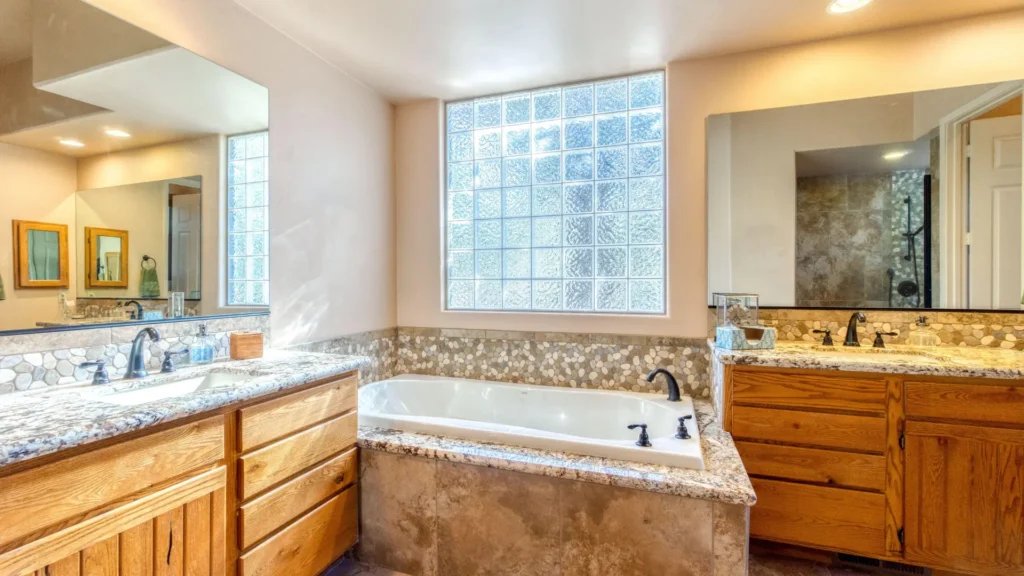
How To Budget Smartly: Tips For Owners In Cambridge
Planning your bathroom renovation with a clear strategy helps you stay within budget while still getting the results you want. This section walks you through practical steps that keep spending under control and help you make confident choices from start to finish.
Start With A Clear Wish-List
Begin by separating your must-haves from your nice-to-haves. Your must-haves should include the essential items your bathroom needs, such as fixing structural issues, replacing damaged fixtures, or improving functionality. Nice-to-haves are upgrades that improve comfort or style but are not urgent. When you know what you truly need, you can direct most of your budget toward the features that matter. This also helps you avoid expensive last-minute changes.
Get Multiple Quotes From Licensed Contractors
Reach out to several licensed contractors in Cambridge to get a solid understanding of local pricing. A written quote should outline labour, materials, timelines, and inclusions. When you compare quotes, check for differences in quality, warranties, and workmanship, not just the final price. This step protects you from budget surprises and helps you choose a contractor who fits your expectations.
Allow A 10–15 Percent Contingency
Unexpected issues are common in bathroom renovations because plumbing, wiring, and structural elements are often hidden. Setting aside a 10–15 percent buffer keeps your project moving even if problems appear once demolition begins. A contingency also reduces stress and prevents you from cutting corners later to stay on track.
Choose Mid-Range Materials For Value
Mid-range materials offer a balance between durability and cost. They hold up well over time, look good, and fit most renovation budgets without forcing you into high-end pricing. Tiles, vanities, and fixtures in this category give you reliable performance without taking too much from your budget. This approach works especially well when renovating rental properties or family homes.
Reuse What Still Works
Look at what can be kept before replacing everything. Items like cabinetry, plumbing layout, or a quality bathtub might still be in good condition. Reusing these elements reduces labour and material costs while maintaining a fresh new look. This step is particularly helpful when you want a modern feel without a complete overhaul.
Time Your Renovation Wisely
Renovating during quieter periods can help you secure better labour and material rates. Contractors may have more availability outside peak seasons, giving you more flexibility with scheduling. Suppliers may also offer discounts on tiles, fixtures, or flooring at certain times of the year. Planning ahead often results in long-term savings.
Consider Small DIY Tasks
If you have some experience, you can complete small tasks like painting or basic demolition to save on labour. Only take on work you can do safely and correctly. This approach keeps your project moving at a lower cost while still leaving the technical work to professionals.
A well-planned budget sets the foundation for a smooth renovation. When you make informed decisions and leave room for unexpected changes, your project stays manageable and enjoyable from start to finish.
Questions To Ask Your Contractor In Cambridge
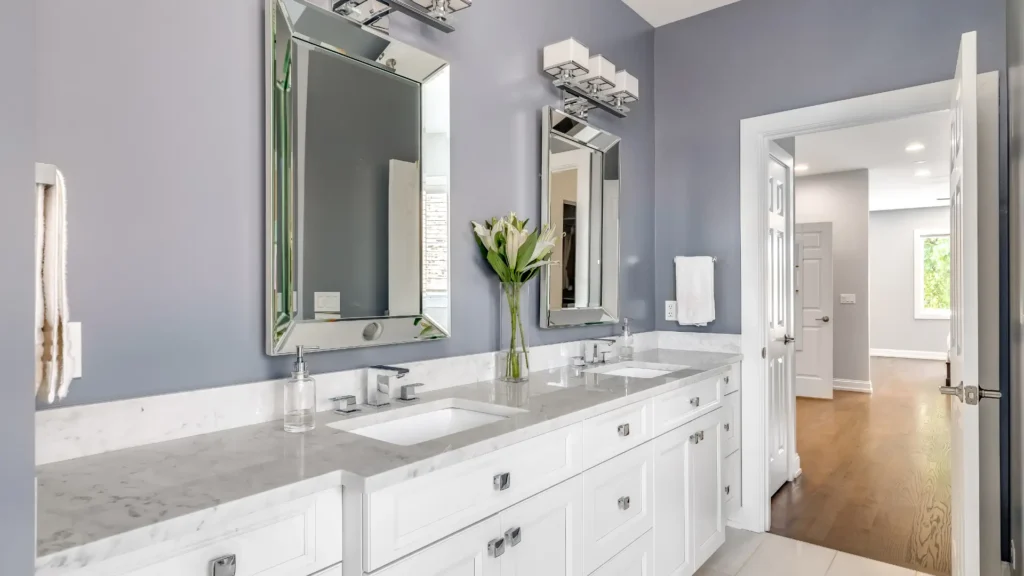
Choosing the right contractor shapes how smoothly your renovation goes and how confident you feel throughout the process. Clear questions help you understand what to expect before any work begins and protect you from confusion later. These points guide you through the most valuable questions to ask before signing an agreement.
Are You Licensed And Insured
Ask your contractor to confirm their licence and insurance details so you know they meet local requirements and can cover any work-related incidents. This gives you clarity about who is responsible if something goes wrong and helps you avoid unqualified operators.
Can I See Previous Bathroom Renovation Examples In Cambridge Or Nearby
Request recent project photos or references from other homeowners. Real examples show the contractor’s workmanship, design style, and consistency. This also helps you gauge whether they have experience with bathrooms similar to yours.
What Is The Estimated Timeline, Included Tasks, And Payment Schedule
Get a clear timeline for the project so you understand how long each stage takes and when the bathroom will be usable again. Ask what tasks are included and how payments are structured to prevent confusion about extra charges or delays.
Who Handles Permits Or Code Compliance If Required
Some renovations may need permits or inspections. Ask who manages these steps so you know what is handled on your behalf. This avoids problems later if the work does not meet local building standards.
What Is Included In The Quote Such As Disposal, Waterproofing, And Finishing Touches
A written quote should list everything covered in the price. Confirm details like waste removal, waterproofing, and finishing work so you know what is included and what may cost extra. This helps you compare quotes fairly.
How Do You Handle Unexpected Issues Such As Discovered Water Damage
Hidden problems can change the project scope. Ask how the contractor identifies these issues and how they communicate cost or timeline changes. Knowing their process helps you avoid surprise expenses.
A little preparation goes a long way during a renovation. Asking the right questions helps you feel confident, informed, and ready to move forward with your bathroom project.
How To Save Money Without Sacrificing Quality
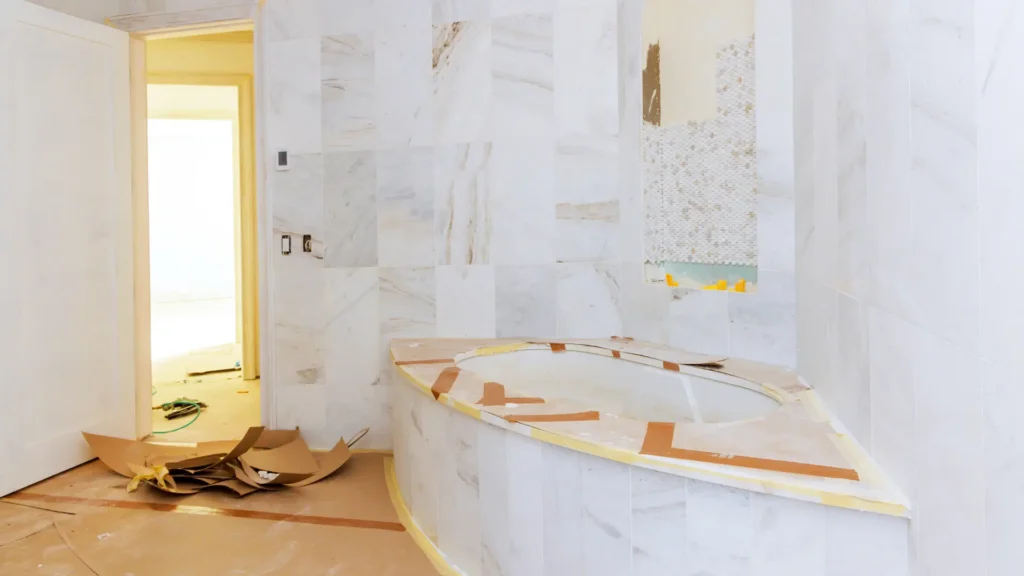
A smart renovation plan helps you control spending while still getting a bathroom that feels fresh, modern, and built to last. Small decisions make a big difference, and you can reduce your overall budget without cutting corners on function or durability. These practical ideas help you keep costs stable while still achieving a result you feel proud of.
Stick To The Existing Layout
Keeping your current layout is one of the fastest ways to lower renovation costs. When you leave the toilet, shower, and vanity in the same positions, your contractor avoids moving pipes or altering walls. This reduces labour hours and prevents extra structural work. Ask yourself if your space already works well, and if the answer is yes, leave the layout untouched and invest your funds in better materials or fixtures.
Use Standard Sized Fixtures And Tiles
Standard sizes are easier to find, quicker to install, and usually priced lower than custom options. Local suppliers often keep standard pieces in stock, which also removes long wait times. This helps you avoid paying more for special orders or complicated installation. Choosing common sizes keeps the project simple while still giving you a clean and polished look.
Consider Quality Value Brands
You can get durable fixtures without paying premium designer prices. Many quality value brands offer strong warranties, reliable performance, and attractive designs at a lower cost. Focus on brands known for long lasting materials and proven customer feedback. This approach gives you good function while keeping your budget steady.
Delay Luxury Add Ons
Luxury items like heated floors or spa style showers raise the final price fast. Instead of removing them completely, treat them as future upgrades. Install the essentials now, then set a plan to add luxury features later when the budget allows. This lets you finish the renovation today without stretching your finances.
Look For Discounted Materials
Local suppliers often run sales on tiles, vanities, and fittings. These discounts can save you hundreds of dollars without lowering quality. Visit warehouses, clearance sections, or seasonal promotions to find good deals. Many homeowners discover premium materials at a fraction of the usual cost simply by checking sale stock before buying full price items.
Combine Projects For Better Value
If you have other home updates planned, completing them at the same time can reduce overall mobilization costs. Contractors only need to set up once, which lowers labour time and travel fees. Pairing your bathroom project with small upgrades in nearby areas gives you more value from a single visit and keeps your renovation timeline organized.
A thoughtful plan helps you make the most of your budget and keeps quality at the centre of your renovation. With a few smart decisions, you can create a bathroom you enjoy every day without adding unnecessary expenses.
When Renovation Costs Might Go Higher
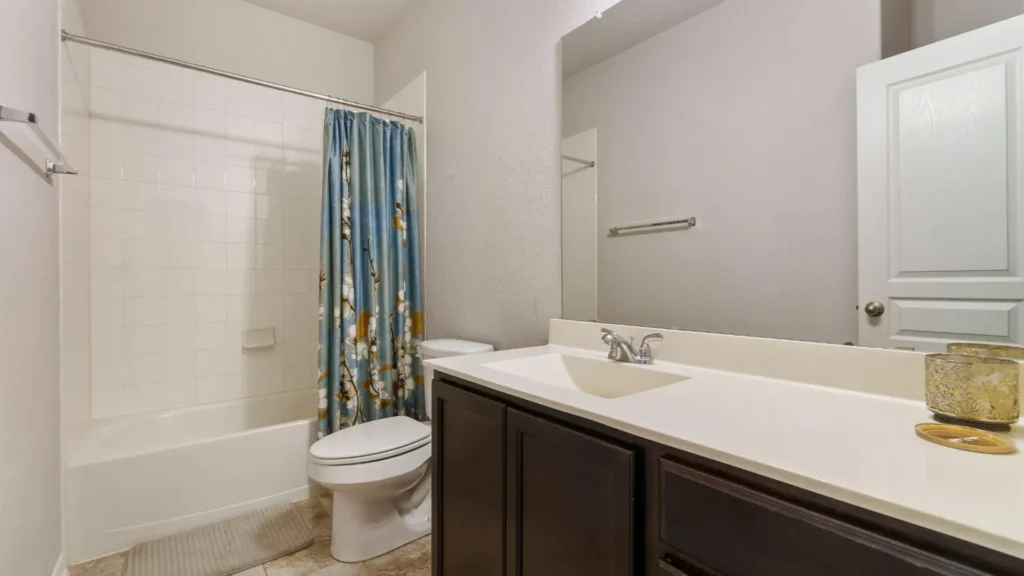
Unexpected issues can shift your budget quickly, especially when older homes or previous DIY repairs are involved. Knowing the common red flags helps you prepare for costs that can surface once work begins. A clear plan and open communication with your contractor will make these situations easier to manage.
Structural Or Code Compliance Issues
Some bathrooms reveal deeper problems once walls or floors are opened. Outdated framing, inadequate ventilation, or past work that doesn’t meet current building standards often requires correction. These fixes are not optional, since the space must remain safe and compliant. Structural adjustments or code-related upgrades can extend the timeline and raise labour costs.
Hidden Water Damage, Mold, Or Rotten Wood
Bathrooms face constant moisture, so hidden damage is common during renovation. Soft flooring, crumbling timber, or mold behind tiles can add to your expenses because the affected areas need full replacement. These repairs protect the long-term integrity of your home and prevent future leaks or health concerns.
Change Of Plan Mid-Project
Altering the original design partway through the job can push the budget higher. Adjustments to the layout, new fixture choices, or added features often require extra materials and additional labour. Even small shifts may affect plumbing or electrical work, so it’s best to finalise decisions before construction starts.
Unforeseen Plumbing Or Electrical Work
Older homes in Cambridge may have plumbing or wiring that no longer meets current standards. Once the renovation uncovers these systems, they might need upgrading to ensure safety and functionality. These tasks often involve licensed professionals, which can increase costs compared to general labour.
Use Of Imported Or Custom Materials
Selecting items that are not readily available in New Zealand can introduce delays and higher pricing. Custom cabinetry, specialty tiles, or imported fixtures may come with longer wait times and freight fees. While these materials can produce a standout result, they require a flexible budget.
A renovation becomes easier to navigate when you understand the potential risks. Planning ahead, setting aside a buffer, and working with a reliable contractor helps keep your project on track, even when the unexpected happens.
Want accurate pricing for your home and a renovation plan that fits your budget? Visit our website to get a fast, friendly quote from trusted Cambridge bathroom specialists and see how easy it is to start your project today.
References
- Bathroom Renovation Costs in New Zealand: Updated for 2025 — gives a breakdown of typical NZ-wide costs. https://archipro.co.nz/article/bathroom-design-what-does-it-cost-to-renovate-a-bathroom-in-new-zealand
- Bathroom Renovation Cost (2025 Guide) — outlines low-range to luxury renovation cost bands. https://www.completerenovation.co.nz/bathroom-renovation-cost-2/
- Bathroom Renovation Cost NZ: Full Price Guide For 2025 — includes cost ranges and discusses key cost factors (size, materials, labour). https://builderwanaka.co.nz/bathroom-renovation-cost-nz/
- Bathroom Renovation Cost NZ: 2025 Guide to Average Prices & Tips — covers cost ranges from small upgrades to full remodels. https://superiorrenovations.co.nz/bathroom-renovation-cost-auckland-2025/
FAQs: About Bathroom Renovation Costs In Cambridge, NZ
What is the average cost of a bathroom renovation in Cambridge NZ?
The average renovation costs between NZ$8,000 and NZ$30,000 depending on size, materials, and labour.
What affects bathroom renovation pricing the most?
Key factors include design complexity, plumbing changes, material quality, and the condition of the existing bathroom.
Can I renovate a bathroom on a tight budget?
Yes. Cosmetic updates, standard fixtures, and keeping the same layout can reduce costs significantly.
How long does a bathroom renovation take?
Most renovations take two to four weeks depending on the scope, contractor availability, and any unexpected issues.
Do I need consent for a bathroom renovation in Cambridge NZ?
Consent may be needed for plumbing changes, structural work, or electrical upgrades. Simple cosmetic updates often do not require it.
How much should I budget for unexpected costs?
Set aside a 10–15 percent contingency to cover hidden water damage, outdated wiring, or mid-project adjustments.
What are the most expensive parts of a bathroom renovation?
Labour, plumbing relocation, custom cabinetry, and high-end tiles often make up the largest portion of the budget.
Can I save money by doing some work myself?
You can handle tasks like painting or demolition if you’re confident, but plumbing and electrical work should be left to licensed pros.
Will renovating my bathroom increase my home’s value?
A well-designed bathroom can lift overall resale appeal and may boost home value, especially if the old space was outdated.
How do I choose the right bathroom renovation contractor?
Look for licensed professionals with local experience, clear communication, transparent quotes, and examples of previous work.
Conclusion
Planning a bathroom renovation in Cambridge NZ becomes far clearer once you understand the typical cost ranges, the factors that influence pricing, and how each decision shapes your final budget, and when you approach the project with a realistic plan that includes a buffer for surprises you protect yourself from stress and overspending while keeping the renovation on track; choosing reliable contractors, selecting solid materials, and taking time to map out each step helps you avoid avoidable mistakes and ensures the finished space feels both practical and long lasting, and before you commit to anything it helps to collect a few local quotes, compare what each provider includes, and think carefully about what you truly need versus what you simply want so you can create a bathroom that suits your home, your lifestyle, and your budget; with thoughtful preparation you can move into your renovation with confidence and look forward to a result that feels well worth the investment.