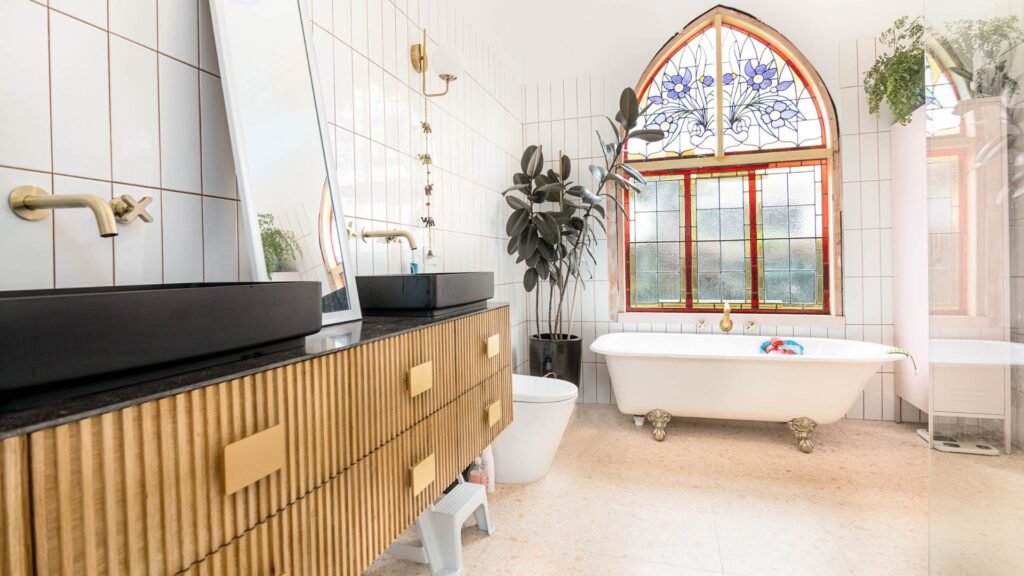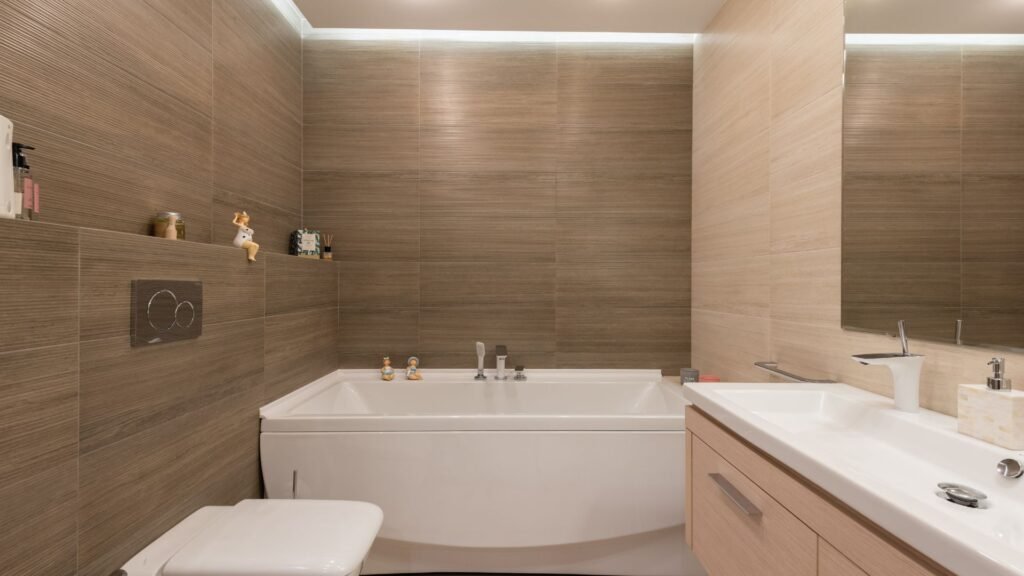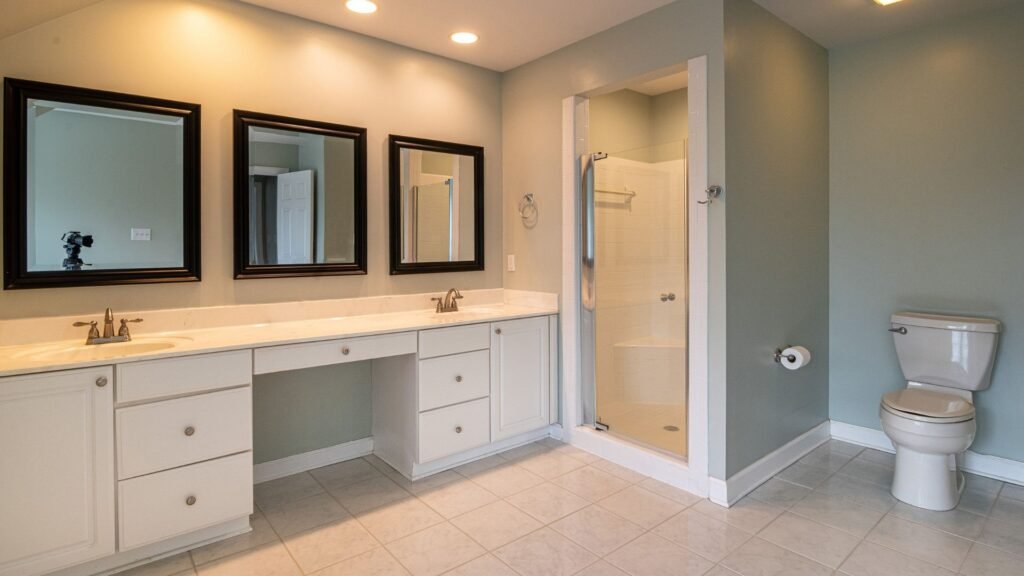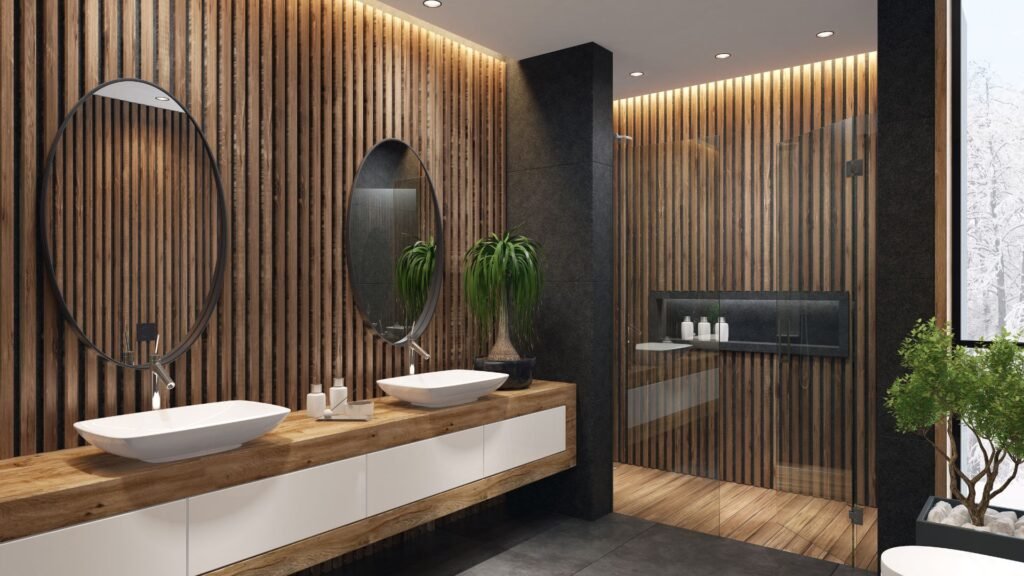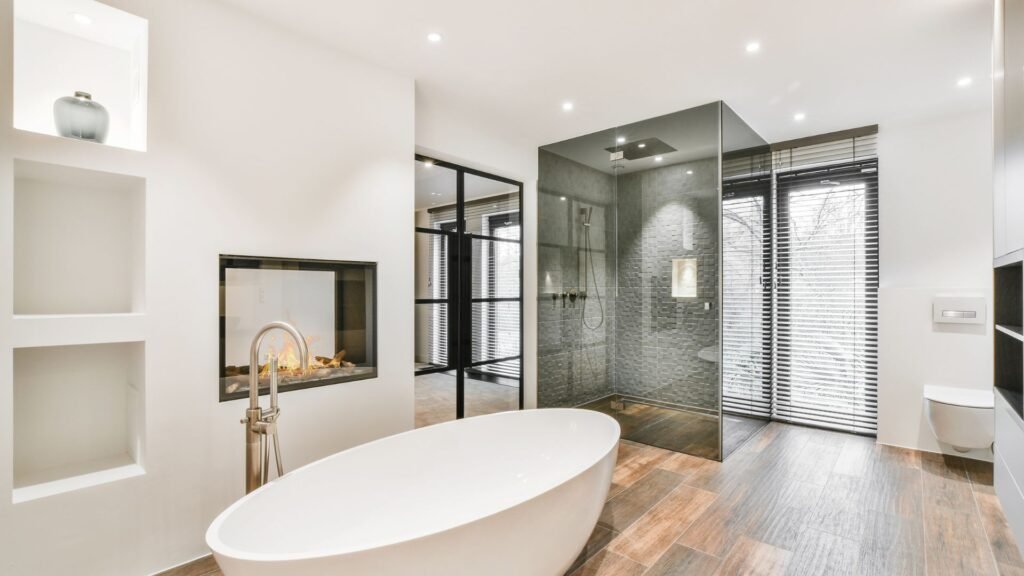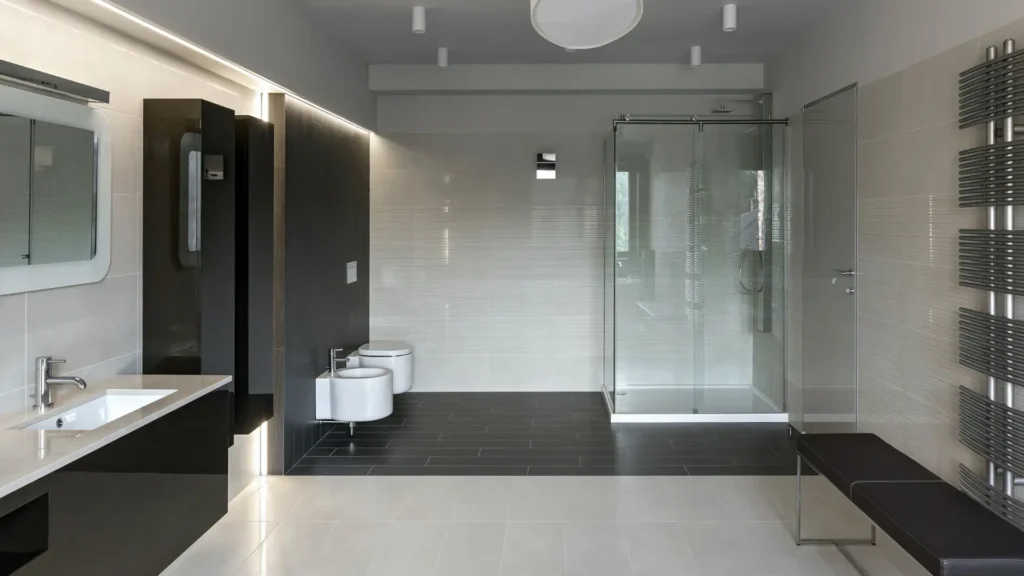
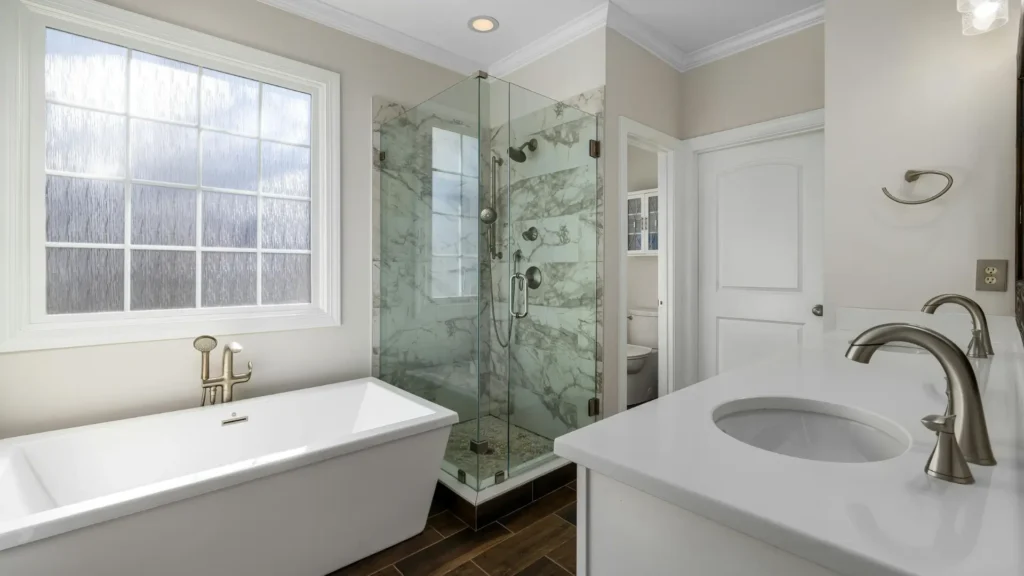
Welcome to your complete guide to understanding the cost of bathroom renovations in Te Awamutu, where you’ll get a clear breakdown of what homeowners typically spend, the factors that influence pricing, and how to plan a renovation that fits both your goals and your budget, giving you practical insights into labour costs, material choices, layout decisions, and the extra expenses many people overlook so you can approach your project with confidence and make informed choices that save money while still creating a bathroom you enjoy every day.
The cost of bathroom renovations in Te Awamutu typically ranges from NZD $8,000 to $35,000+, depending on the size of the bathroom, the materials you choose, the amount of plumbing or structural work required, and the quality of finishes. Basic updates sit at the lower end of the range, while full remodels or premium designs can exceed $35,000.
Table of Contents
What Influences Bathroom Renovation Cost
Understanding what drives bathroom renovation cost helps you plan a realistic budget and avoid surprises as the project moves forward. Each decision you make affects the final price, from the size of the room to the quality of materials and the amount of labour involved.
Bathroom Size And Layout
The dimensions of your bathroom play a major role in overall cost. A small bathroom requires fewer materials and less labour, while a standard or large layout increases expenses due to more tiling, fixtures, and installation time. Irregular shapes or awkward corners also raise costs because tradespeople must work around limited space, cut tiles precisely, and spend more time fitting everything correctly. If your bathroom layout is tight or outdated, even minor changes can influence labour hours and budget.
Scope Of The Renovation
Your renovation goals determine how much work is required. A cosmetic refresh may involve replacing a few fixtures and retouching surfaces, which keeps the cost at the lower end. A full-gut renovation takes more time and requires the removal of old flooring, tiles, and fittings, making it more expensive. If you want structural changes, such as moving walls, shifting plumbing lines, or redesigning the entire layout, expect higher charges because the project becomes more complex and requires multiple specialists.
Quality Of Materials And Fixtures
Material selection strongly impacts the final cost of your renovation. Basic tiles, acrylic shower liners, and simple vanities help you control the budget. Mid-range materials provide a balance of durability and design appeal for most households. Premium materials such as stone tiles, custom cabinetry, and designer tapware lead to a noticeably higher total. The more high-end your selections are, the more you should expect to pay for both materials and installation.
Labour And Water Or Plumbing Work
Labour is one of the most significant components of any bathroom renovation. Plumbers, electricians, tilers, painters, and waterproofing specialists each contribute to the final price. The level of expertise needed and the time required to complete the project influence labour rates. Tasks like rerouting pipes, installing new drainage, or replacing outdated wiring increase costs due to the complexity of the work. Labour availability in your area may also affect pricing if demand is high.
Compliance, Waterproofing And Building Code Requirements
Every bathroom renovation must meet New Zealand’s building standards, especially when waterproofing and plumbing work are involved. Correct waterproofing is essential for preventing long-term issues such as leaks and mould. If your renovation involves altering the layout or installing new electrical points, permits may be required. Compliance processes add to the total cost but ensure the space is safe, durable, and legally approved.
Hidden Or Unexpected Costs
Unexpected expenses are common in bathroom renovations, especially in older homes. Removing old fixtures may reveal moisture damage, outdated wiring, or poorly installed plumbing that needs attention. Waste disposal fees, delays due to material shortages, and the need for extra labour can also increase total spending. Setting aside a contingency buffer helps you manage these surprises without interrupting the project.
A clear understanding of these cost drivers allows you to plan a renovation with confidence and make informed decisions that support your design goals and budget.
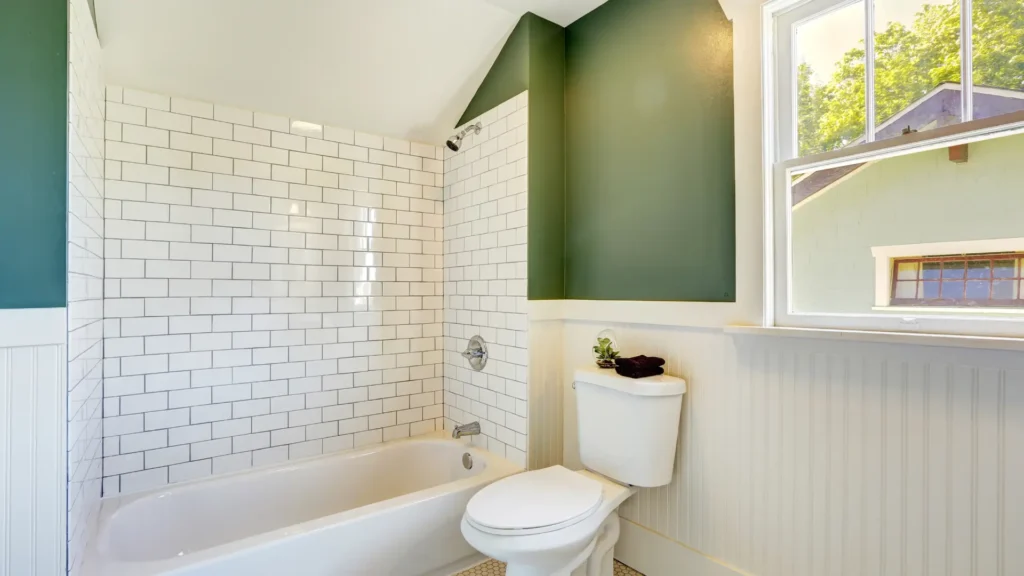
Typical Cost Ranges In New Zealand
Understanding what homeowners usually spend across New Zealand gives you a clear starting point before planning a renovation in Te Awamutu. These price bands reflect common project scopes and help you see where your budget might fit. Costs will always vary based on materials, labour, and the amount of work involved, but these benchmarks offer a practical guide for most households.
Basic Refresh Or Light Update
A basic refresh often sits between NZD $8,000 and $15,000 according to industry guides such as Bathroom Renovation Hamilton. This level of work usually focuses on improving the existing space without major structural changes. You can expect fixture replacements, new paint or re-tiling, and small cosmetic updates. The plumbing layout typically stays the same, which keeps costs lower and reduces the overall time required for the project.
Mid Range Renovation
Most homeowners fall into the mid-range category with budgets of NZD $20,000 to $35,000, based on averages from Renovation Builders NZ. This price range allows for noticeable upgrades including new tiles, improved fixtures, modern lighting, and updated vanities. Some layout adjustments may be possible if plumbing changes are minimal. The goal here is to get a quality finish without entering premium pricing territory.
Full Or Luxury Renovation
A luxury renovation often begins around NZD $35,000 and can exceed NZD $60,000 as noted by Builder Wanaka. This type of project involves more complex work such as structural changes, premium materials, custom cabinetry, and top tier fixtures. Homeowners choosing this tier usually want a complete transformation along with long term durability and high end style.
What Can Influence Costs In Te Awamutu
These figures represent national averages, but local pricing in Te Awamutu can shift based on a few important factors. Material availability, transport fees, and the number of available tradespeople can influence final quotes. Labour rates may also fluctuate depending on demand, especially during busy building periods. Because of these variables, it is helpful to gather several local quotes before setting your final budget.
Why You Should Include A Contingency Buffer
Renovation budgets often change once work begins. Hidden issues such as moisture problems, outdated wiring, or extra waterproofing can add to the final cost. Adding a contingency buffer of around 10 to 15 percent gives you room to handle these surprises without breaking your budget.
Planning with these ranges in mind helps you set realistic expectations and make decisions that suit your goals. In the next section, you will learn how local conditions in Te Awamutu may shape your overall renovation plan.
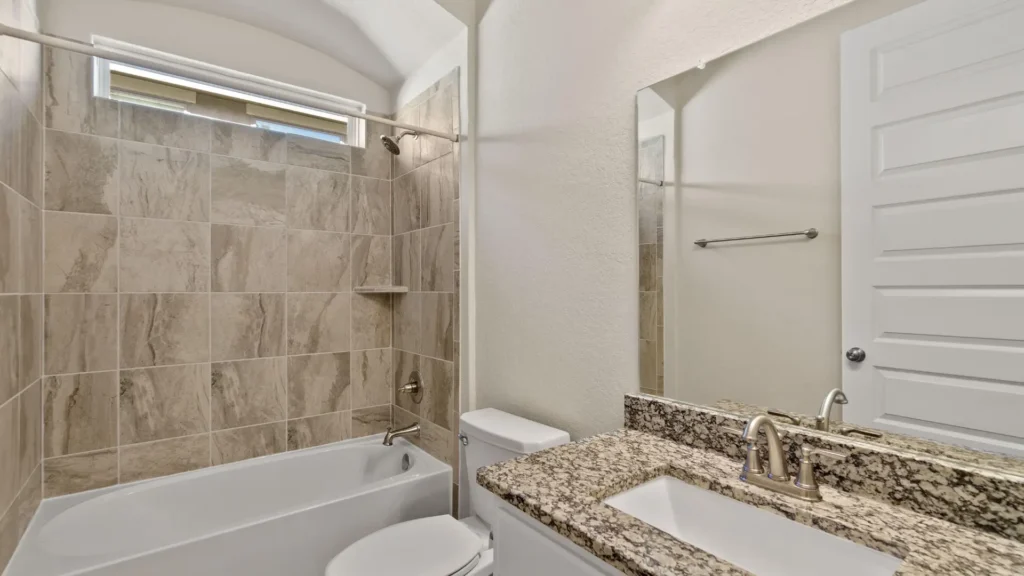
What To Expect If You Renovate In Te Awamutu
Renovating a bathroom in Te Awamutu comes with its own set of local considerations that can influence your budget, timeline, and overall experience. Understanding these factors helps you plan more accurately and avoid unwanted surprises during your project.
Availability Of Tradespeople
Te Awamutu has a growing demand for skilled trades, which can affect how quickly you can secure plumbers, tilers, electricians, and builders. Higher demand may lead to longer wait times or increased labour rates, so it helps to book your preferred contractors early.
Material Delivery And Supplier Access
Many suppliers operate from larger nearby cities, which means delivery fees or transport costs may add to your renovation budget. If your project requires specialty tiles, fixtures, or custom fittings, allow extra time for ordering and delivery to avoid delays.
Compliance And Building Requirements
Even in a smaller town, your renovation must meet the same plumbing and building standards required across New Zealand. Waterproofing, drainage, electrical safety, and structural integrity are all reviewed under national guidelines. Working with licensed professionals ensures your bathroom meets these expectations and avoids costly errors.
Getting Local Quotes
Prices can vary widely among contractors, so gathering at least two or three quotes helps you understand realistic local rates. Comparing itemized estimates gives you a clearer view of labour costs, material pricing, and where you might be able to adjust your budget.
Renovating in Te Awamutu is a smart choice when you know what to expect. With the right planning and local insight, you can move forward with confidence and create a bathroom that meets your needs.
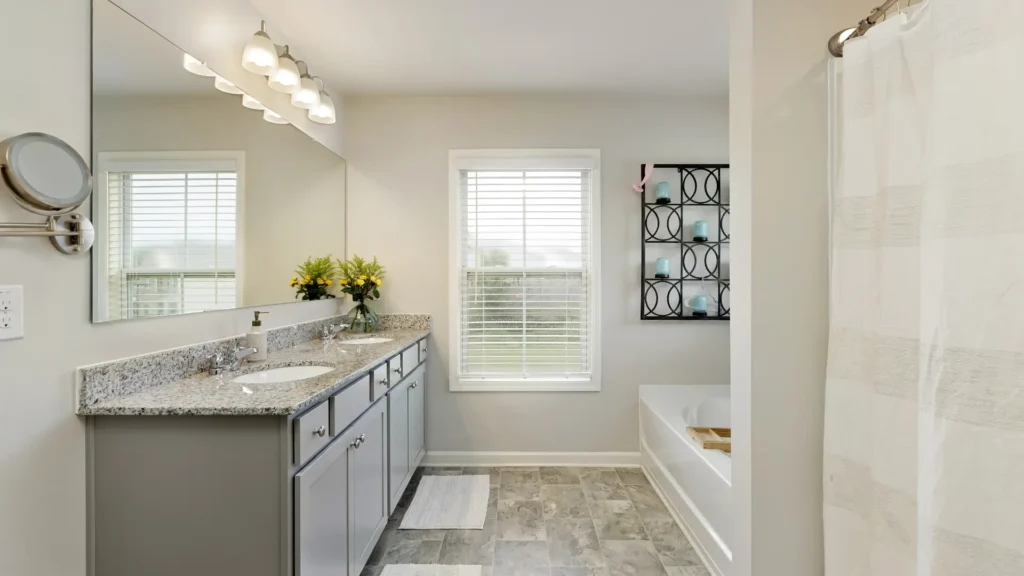
Breakdown Of Major Cost Components
Understanding where your renovation budget goes helps you plan smarter and avoid surprises. Each part of the project carries its own cost range, and knowing these early protects you from overspending. The sections below give you clear insight into the most common expenses involved in a bathroom renovation.
Demolition And Removal
Demolition is usually the first line item in your budget. This stage covers the removal of old fixtures, tiles, flooring, and any damaged materials. Costs also include waste disposal and transport fees for removing debris from the property. Prices vary based on how much needs to be stripped out and the condition of the existing bathroom. A simple fixture removal costs less, while full-tile demolition or structural removal will push the total higher.
Plumbing And Electrical Work
Plumbing and electrical upgrades take a significant share of the budget because both require licensed professionals. If you move your shower, vanity, or toilet, expect plumbing costs to rise quickly. Updating wiring, installing new switches, relocating lighting, or adding extractor fans also increases the overall price. This category often becomes one of the largest expenses when layout changes are involved.
Waterproofing And Tiling
Waterproofing protects your renovation from leaks, mould, and long-term structural damage. It is required to meet building code standards, especially in wet areas. The cost rises based on the size of the bathroom and the quality of materials. Tiling follows waterproofing and can take up a sizable portion of the budget. Tiles themselves vary from cost-effective options to premium designs, and labour charges increase with patterns or large tile formats.
Fixtures And Fittings
Fixtures and fittings cover the essential elements you use daily, such as showers, baths, toilets, vanities, mirrors, and taps. Prices vary widely depending on the style and quality you choose. Basic fixtures keep the project affordable, while imported or custom pieces increase the final spend. Since these items influence both function and appearance, many homeowners allocate a generous portion of the budget here.
Labour And Trades Coordination
Labour costs cover the team needed to bring the project together. This usually includes plumbers, tilers, electricians, waterproofing specialists, and painters. Coordinating multiple trades adds to the cost but ensures the project runs smoothly and meets required standards. Since skilled labour makes up a major part of most renovation budgets, it is common to see this category take up a large percentage of total spending.
Finishing Touches And Extras
The final stage includes lighting, ventilation updates, mirrors, shelving, paint, and any remaining installation work. Adding waterproofing guarantees, additional storage, upgraded lighting features, or final disposal costs can shift the total. Although these items seem minor, they complete the room and can influence both comfort and visual appeal.
Quick Cost Reference
Here is a simple breakdown to help you scan the main components:
• Demolition and removal
• Plumbing and electrical work
• Waterproofing and tiling
• Fixtures and fittings
• Labour and trades coordination
• Finishing touches and extras
A careful look at these elements helps you understand how your budget is allocated and where adjustments can be made. Making informed decisions early leads to a smoother renovation experience and better results in the finished space.
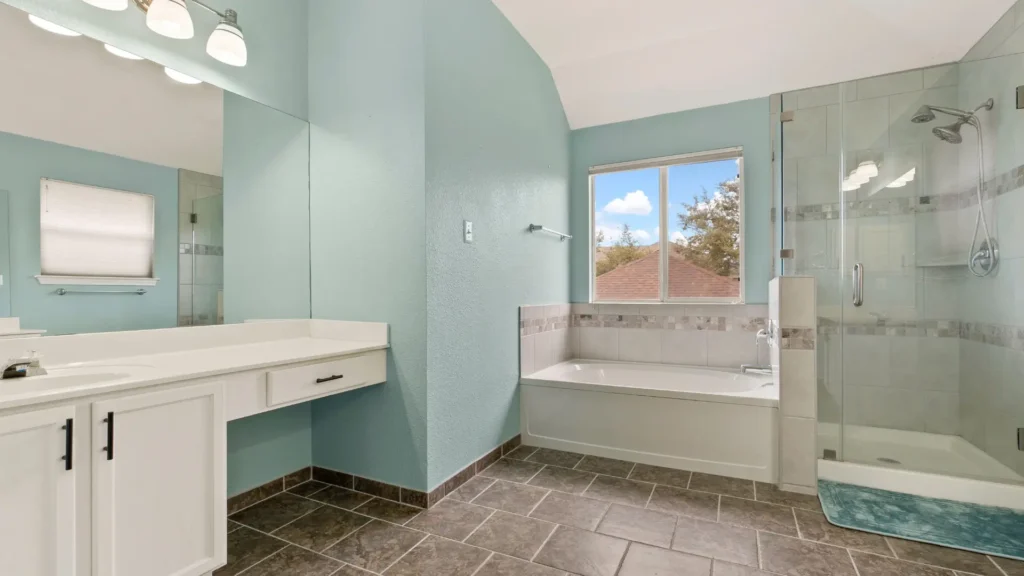
How To Keep Bathroom Renovation Costs Under Control
Managing your bathroom renovation budget starts with smart choices that reduce unnecessary spending while still giving you a result you feel proud of. When you understand where most renovation dollars go, it becomes easier to plan, compare prices, and avoid surprises that push your project over budget.
Keep The Existing Layout
Keeping your current plumbing layout is one of the most effective ways to control renovation costs. Moving drains, shifting the shower, or relocating the toilet often requires extensive plumbing work, which can quickly increase your total spend. By keeping fixtures in their existing positions, you reduce labour time and avoid extra materials while still achieving a fresh, updated look.
Choose Mid Range Materials
Selecting mid range tiles, fixtures, and cabinetry helps you maintain durability without paying premium prices. Many mid tier products offer long lasting quality and modern designs that are hard to distinguish from high end options once installed. This approach keeps your renovation stylish while preventing costs from climbing beyond your comfort zone.
Reuse Or Refurbish Existing Fixtures
If certain fixtures are still in good condition, consider giving them a second life. A vanity can be refinished, taps can be polished, and a bathtub can sometimes be resurfaced. Reusing items reduces waste and frees up more of your budget for areas that need new materials or updated features.
Source Materials Yourself
Some homeowners save money by purchasing fixtures or materials directly from suppliers. Retailers often run promotions or clearance sales that contractors do not always pass through. When you shop for your own tiles, vanities, or lighting, you can compare prices and choose products that fit your style without the added markup.
Request Itemized Quotes
Detailed quotes from multiple contractors make it easier to understand exactly what you are paying for. Comparing line by line helps you spot major price differences, identify unnecessary inclusions, and negotiate more confidently. Accurate quotes also reduce the chance of unexpected add ons later in the project.
Set A Contingency Fund
Every bathroom renovation should include a buffer for hidden issues such as moisture damage, aging pipes, or outdated wiring. Setting aside ten to fifteen percent of your budget protects you from stress and prevents delays when unforeseen repairs are required. Planning for surprises keeps the project moving smoothly.
Renovate During Off Peak Periods
When tradespeople are less busy, you may benefit from more flexible scheduling and potentially lower rates. Renovating during quieter months can shorten wait times and reduce pressure on contractor availability, which helps keep your project on track and within budget.
Handle Simple Tasks Yourself
If you feel comfortable and it is safe to do so, taking on minor tasks such as painting or basic demolition can reduce labour expenses. Small contributions like removing old shelves or prepping walls can make a noticeable difference without requiring professional skill.
A thoughtful approach to budgeting gives you more control over your renovation and allows you to create a space that feels refreshed without financial strain. Making smart decisions early helps shape a bathroom that suits both your lifestyle and your budget.
How Renovation Can Add Value To Your Home
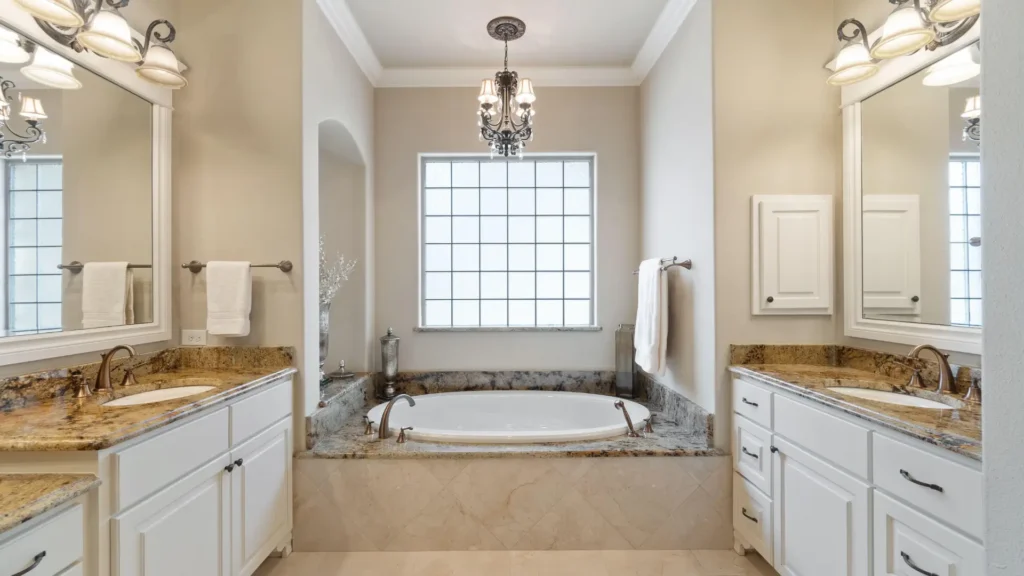
A bathroom renovation can make a noticeable difference in both daily living and long-term property value. Many homeowners choose to update their bathrooms to improve comfort, function, and appeal, and the return on investment often becomes clear when it is time to sell or rent the property.
Increased Usability And Comfort
A well-planned renovation improves the way you use your bathroom each day. Better storage, efficient layouts, updated fixtures, and improved lighting create a space that feels more comfortable and practical. These changes make the bathroom easier to maintain and more enjoyable for you and your family.
Higher Resale Appeal
Buyers often look closely at bathrooms when comparing homes, and a clean, modern space can positively influence their decision. Even a mid-range renovation shows that the home has been well cared for, which can support a higher selling price. Updated bathrooms also compete better in the local market, especially when similar homes still have older layouts or dated fixtures.
Lower Maintenance Costs Over Time
Older bathrooms can hide issues like leaks, mold, and outdated plumbing. Renovating gives you a chance to fix these problems before they become expensive repairs. Choosing durable fixtures, quality waterproofing, and well-built cabinetry helps you avoid recurring maintenance costs and protects your home from long-term damage.
Long-Term Savings With Smart Material Choices
Using durable materials and reliable fixtures can reduce the likelihood of future repairs. A strong waterproofing system, slip-resistant flooring, efficient ventilation, and moisture-resistant surfaces help preserve the bathroom for many years. These upgrades also make the home more appealing to buyers who appreciate low-maintenance living.
A thoughtful bathroom renovation delivers practical benefits now and adds real value for the future. It can reduce stress, improve daily comfort, and make your home more attractive when you decide to sell.
Sample Budget Scenarios For Te Awamutu Homeowners
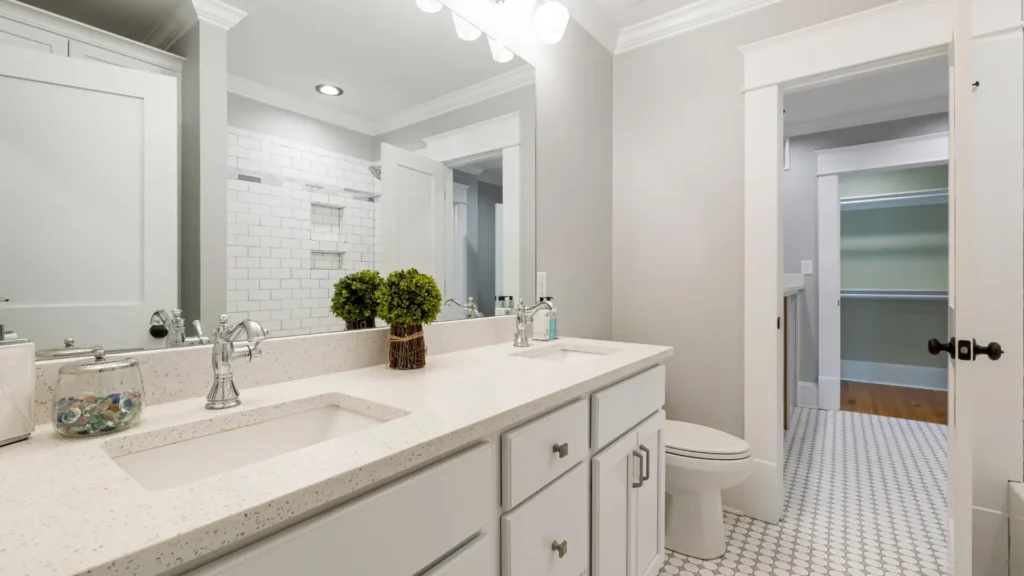
Understanding what different renovation budgets look like can help you plan more effectively. These examples give you a clearer idea of how far your money may go in Te Awamutu, using common price ranges and realistic project scopes. Each scenario reflects what many homeowners aim for when updating their bathroom, whether they want a simple facelift or a full transformation.
Scenario A: Basic Refresh
A basic refresh works well for smaller bathrooms or homeowners who want a clean, updated look without taking on major construction. A project like this usually sits between NZD $9,000 and $12,000. You can expect a new vanity, a modern shower head, fresh paint, minor tile repairs, and simple flooring upgrades. This option keeps the existing layout intact and focuses on cosmetic improvements that lift the room’s appearance without driving labour costs higher. It is a practical choice for anyone who wants noticeable changes without stretching the budget.
Scenario B: Mid Range Renovation
A mid range renovation suits the typical family bathroom. The cost usually falls between NZD $22,000 and $30,000, depending on material choices and the amount of trade work involved. This level often includes full tiling, waterproofing, a new vanity, a shower enclosure, updated lighting, and moderate plumbing adjustments. It provides a significant upgrade in both function and style while staying within a manageable budget. Many homeowners choose this category when they want a balance between quality and affordability.
Scenario C: Full Renovation Or Dream Bathroom
A full renovation is ideal for larger bathrooms or homeowners aiming for a premium finish. These projects usually start around NZD $38,000 and can go beyond $55,000. Costs rise due to layout changes, structural work, custom cabinetry, premium tiles, higher end fittings, and extended labour time. This approach offers complete creative freedom and results in a long lasting, visually impressive bathroom. It is often chosen by homeowners who plan to enjoy their home for many years or want to boost long term property value.
These scenarios are meant to guide your planning and help you understand how different choices affect the final cost. Actual project quotes may vary, so it is always best to compare local contractors and gather detailed estimates before starting your renovation.
How To Plan Your Renovation: Practical Steps And Timeline
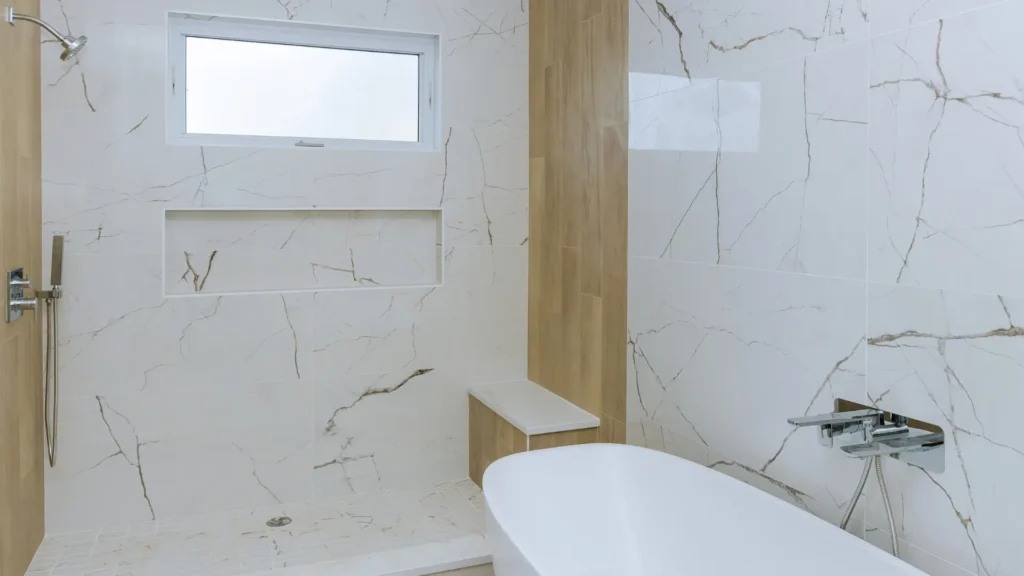
Planning your bathroom renovation the right way helps you stay on budget, avoid delays, and keep the entire project running smoothly. This section walks you through each step so you know what to expect from your first idea to the final sign-off.
Step 1: Define Your Goals
Start by deciding what you want to achieve. A simple refresh focuses on updating fixtures or surfaces. An upgrade improves both style and function. A full remodel changes layout, plumbing positions, or overall design. Clear goals guide your decisions and prevent unnecessary spending.
Step 2: Measure Your Space
Take accurate measurements of your bathroom, including height, width, and depth. Note where your plumbing lines, drains, wiring, and ventilation points sit. This helps you understand what can stay and what may require more extensive work.
Step 3: List Must-Have And Nice-To-Have Items
Separate essential features from optional ones. Must-haves may include new waterproofing, updated fixtures, or improved lighting. Nice-to-haves might be premium tiles, heated floors, or custom cabinetry. This list helps you prioritise when costs start adding up.
Step 4: Get Quotes From Licensed Contractors
Reach out to at least two or three qualified contractors and request a detailed breakdown of their pricing. Compare labour costs, material estimates, expected timelines, and any exclusions. This protects you from unexpected charges later on.
Step 5: Add A Contingency And Plan Your Timing
Include a buffer of around 10 to 15 percent in your budget for surprises like hidden leaks, damaged subflooring, or outdated wiring. Also consider labour availability and material delivery times, especially if your project uses imported tiles or specialised fixtures.
Step 6: Schedule The Work
Once you confirm your contractor, organise the renovation dates, order your materials, and secure any fittings in advance. Scheduling early helps you avoid delays caused by stock shortages or overbooked tradespeople.
Step 7: Supervise Each Stage Of The Build
Keep an eye on progress as work moves through waterproofing, plumbing, tiling, and final finishes. Regular check-ins help you catch issues early and ensure the renovation aligns with your plan.
Step 8: Complete The Final Inspection
When the work is done, examine the bathroom closely. Check for proper waterproofing, smooth tile work, functional fixtures, and clean installation. Once everything meets your expectations, sign off on the project with confidence.
Typical timelines vary based on scope. Minor updates usually take one to two weeks. Full renovations often take three to six weeks, especially when structural changes or specialty materials are involved.
A little preparation goes a long way. By following these steps, you give your renovation the clarity and structure it needs to achieve great results.
Ready to plan your renovation with real numbers and expert guidance? Visit our website to compare options, explore design ideas, and get a tailored estimate that matches your budget. Your upgraded bathroom starts with one simple click.
References
- Cost of Bathroom Renovations NZ
https://bathroomrenovationhamilton.co.nz/cost-of-bathroom-renovations-nz/ - Bathroom Renovation Cost NZ
https://builderwanaka.co.nz/bathroom-renovation-cost-nz/ - How Much Does a Bathroom Renovation Cost in New Zealand?
https://flowpro.co.nz/how-much-does-a-bathroom-renovation-cost-in-new-zealand/
FAQs: About Cost Of Bathroom Renovations In Te Awamutu
What is the average cost of bathroom renovations in Te Awamutu?
Most homeowners spend between NZD $8,000 and $35,000+, depending on the size, scope, and materials used.
What factors affect bathroom renovation costs the most?
Key factors include bathroom size, plumbing changes, material quality, waterproofing, and labour rates.
Are bathroom renovations more affordable in Te Awamutu than in bigger cities?
Costs can be slightly lower, but labour availability and material delivery fees may influence final pricing.
How long does a typical bathroom renovation take?
Small updates may take 1–2 weeks, while full renovations often take 3–6 weeks depending on complexity.
Do I need permits for bathroom renovations in Te Awamutu?
You may need permits if you move plumbing, change structural elements, or make electrical modifications.
What is the cheapest way to renovate a bathroom?
Keeping the existing layout, choosing mid-range fixtures, and handling minor tasks yourself can lower costs.
How much should I budget for unexpected renovation expenses?
A 10–15 percent contingency buffer helps cover hidden issues such as moisture damage or outdated wiring.
Can renovating a bathroom increase my home’s value?
Yes, a well-designed and durable bathroom can make your home more appealing and may boost resale value.
How do I choose the right contractor in Te Awamutu?
Get multiple quotes, review past work, check references, and choose someone experienced with local regulations.
What is included in a full bathroom renovation?
A full renovation usually includes demolition, plumbing and electrical work, waterproofing, tiling, fixtures, ventilation, and finishing touches.
Conclusion
Understanding the cost of bathroom renovations in Te Awamutu becomes much easier when you have clear price ranges and benchmarks to guide your planning, and this gives you the confidence to decide what level of renovation works best for your home and budget while avoiding unexpected expenses. Start by assessing the size of your bathroom, the scope of work you want to take on, and the features that matter most to you so you can create a realistic budget that reflects your goals. Take time to compare quotes from local contractors who can give you accurate pricing based on your layout, materials, and the condition of your current space. If you’ve recently completed a renovation or you’re still gathering ideas, feel free to share your experience or ask questions so others can learn from your project as well. Your next step toward a better bathroom begins with planning and reaching out to the right professionals, and you’re now equipped with the information you need to move forward confidently.